As Magic: The Gathering sails into its mid-thirties, the iconic trading card game continues to defy expectations, weaving together decades of rich lore with bold, futuristic visions. The annual showcase remains a cornerstone event, offering players a thrilling glimpse into the ever-expanding multiverse. From revisiting beloved worlds to forging unprecedented alliances with gaming titans, the strategy is clear: honor the past while fearlessly charging into new frontiers. This isn't just about new cards; it's about evolving the very fabric of what it means to be a Planeswalker in 2026.
🔥 The Legacy Continues: Revamping Classics for a New Era
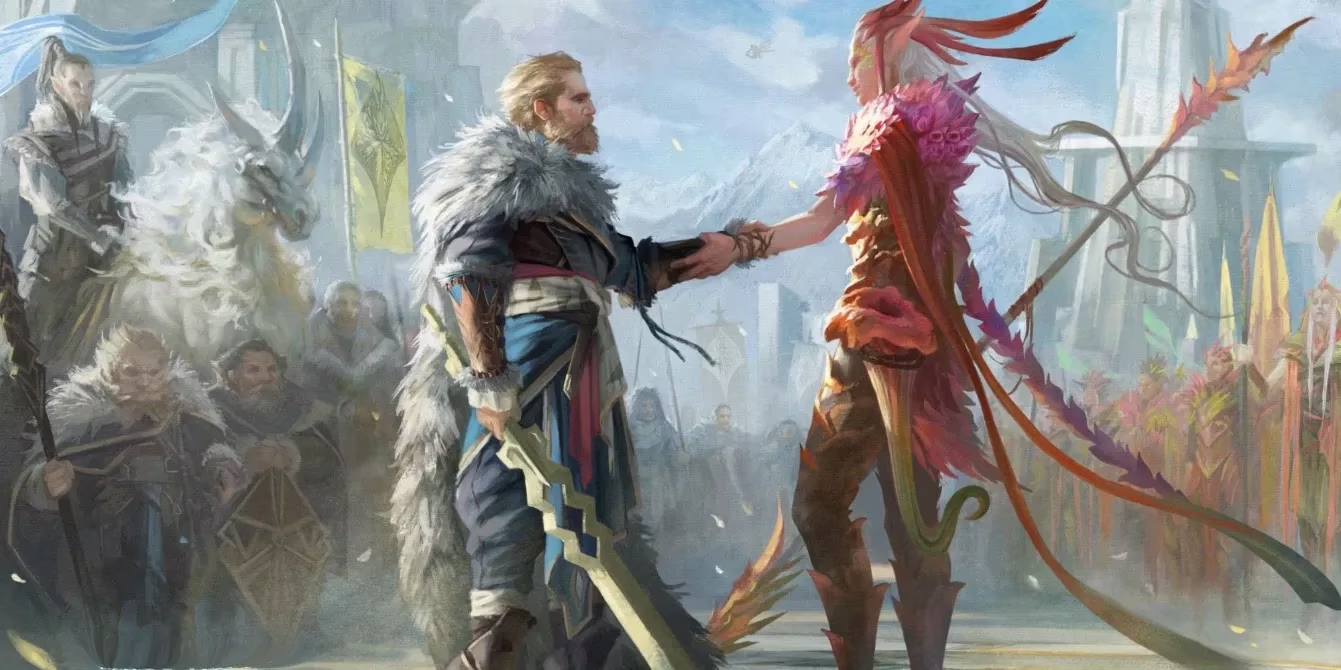
The heart of Magic has always been its stories, and 2026 sees a masterful blend of nostalgia and innovation. The strategy of revamping classic Magic narratives has proven to be a massive success. Following the triumphant return of Dominaria, developers have doubled down on exploring the foundational conflicts that shaped the multiverse. These aren't simple rehashes; they're re-examinations with modern design sensibilities, introducing new mechanics that reflect the epic scale of events like The Brothers' War. Imagine relic-based artifact strategies or saga cards that literally unfold the history of the plane-spanning conflict on the battlefield. It’s a love letter to veteran players and a perfect entry point for newcomers curious about the game's legendary roots.
🌐 Genre-Bending Adventures: From Cyberpunk Neon to Urban Fantasy
One of Magic's greatest strengths is its sheer variety. The 2026 roster promises to teleport players across wildly different genres, ensuring there's a plane for every taste. The success of Kamigawa: Neon Dynasty paved the way for more technologically infused settings, blending traditional fantasy with sleek, cyberpunk aesthetics. Conversely, sets like Streets of New Capenna proved that urban fantasy—with its gritty criminal underworlds and noir-inspired intrigue—could thrive in the card game format. This diversity isn't just thematic; it directly influences gameplay, introducing mechanics like Modify (for cybernetics) or Connive (for political maneuvering) that make each plane feel uniquely alive. The message is clear: no creative corner of the multiverse is off-limits.
🤝 The Crossover Phenomenon: Expanding the Multiverse Beyond Magic
The crossover strategy has evolved from a novelty into a core pillar of Magic's identity. The limited-edition Secret Lair drops have become cultural events, seamlessly integrating icons from other universes into the game's mechanics. Following the successful integrations of properties like Fortnite and Street Fighter, the collaborations have only grown more ambitious and thoughtful. These aren't just reskinned cards; they are carefully designed to capture the essence of the guest franchise. For instance, a Street Fighter-inspired card featuring Chun-Li's multikick might allow a creature to deal damage divided among any number of targets, perfectly translating her combat style into a game action. This approach respects both the source material and Magic's own complex rules, creating collectibles that are both fun and functionally viable in various formats.
🃏 The 2026 Lineup: A Year-Round Celebration of Strategy
So, what can Planeswalkers actually expect to sleeve up in 2026? The release schedule is packed, offering a mix of standard-legal sets, premium reprints, and innovative supplemental products. Here’s a snapshot of the confirmed major releases shaping the year:
| Set / Product Name | Quarter | Key Theme / Focus |
|---|---|---|
| Codename: Chronosphere | Q1 | Time-travel mechanics and revisiting alternate histories of known planes. |
| Arcane Sanction | Q2 | A deep dive into magical law enforcement and guild politics on a new plane. |
| Unfinity 2.0 | Q2 | The return of the silver-bordered, space-themed un-set with wacky, rule-breaking fun. |
| Commander Legends: Shadows of the Past | Q3 | A draftable Commander set focusing on legendary creatures from Magic's early history. |
| Dominaria Reforged | Q3 | The next chapter on Dominaria, dealing with the aftermath of epic wars and rebuilding. |
| Double Masters 2026 | Q3 | A premium reprint set with a focus on powerful multicolor and artifact staples. |
| Crossover: Cyberpunk 2077 | Q4 | A Secret Lair series and Commander decks featuring characters from Night City. |
| The Phyrexian Epilogue | Q4 | The potential conclusion to a long-running saga, with compleated worlds and desperate alliances. |
| Jumpstart 2026 | Q4 | Refreshed themed packs for instant, on-ramp gameplay with the latest mechanics. |
This lineup highlights a balanced approach: two major standard-legal expansions (Codename: Chronosphere and Arcane Sanction) drive the ongoing narrative, while products like Double Masters and Commander Legends cater to eternal and social formats. The scheduled Secret Lair drops and the potential Cyberpunk 2077 collaboration ensure the hype train never stops. It’s a 365-day ecosystem of content designed for every type of player, from the competitive grinder to the casual kitchen-table enthusiast.
✨ Looking Ahead: The Future of the Gathering
The trajectory for Magic: The Gathering in 2026 is one of confident expansion. By leveraging its deep history, embracing genre diversity, and executing smart crossovers, Wizards of the Coast has built a sustainable model for growth. The focus is on creating immersive experiences that go beyond the cardboard, whether through compelling stories, innovative mechanics, or shared cultural moments with other franchises. The game’s ability to adapt and absorb new ideas while staying true to its core strategic identity is its superpower. As new planes are discovered and old ones are revisited, one thing is certain: the gathering of Planeswalkers around tables (both physical and digital) will continue to be a vibrant, evolving community fueled by strategy, story, and a little bit of magic. 🧙♂️⚡